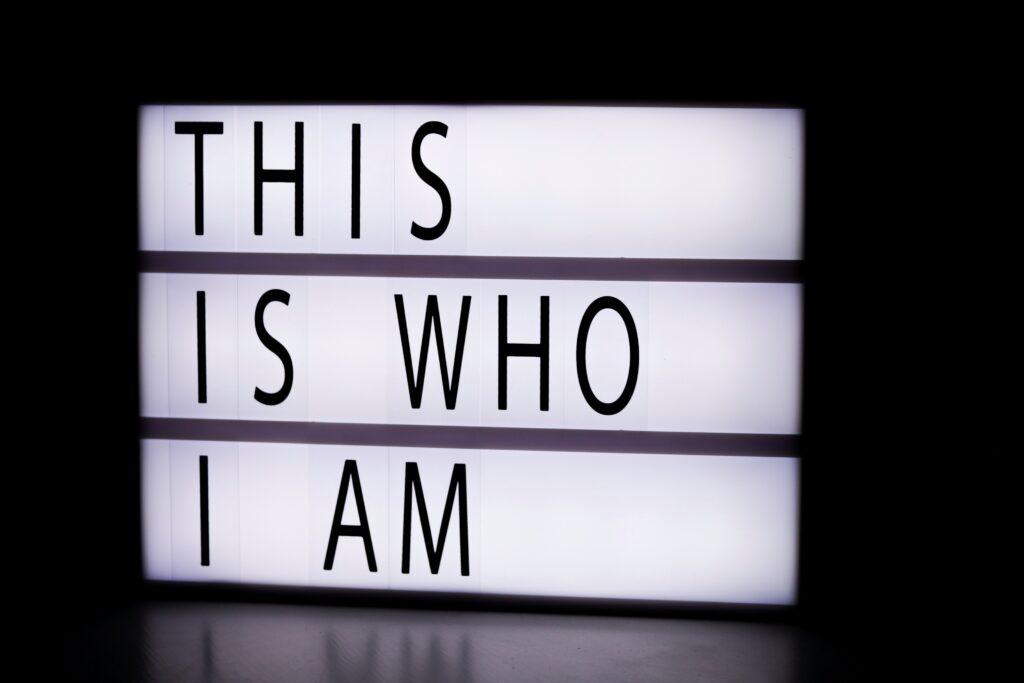

As humans, we have a way of introducing ourselves to the people we have met anew.
When we really think about it, we are just telling a name that has been assigned to us and the location where we are from.
If we decide to be more specific with the details, we share our background, academics, and other achievements—anything that makes a good first impression.
But really, is that who we are?
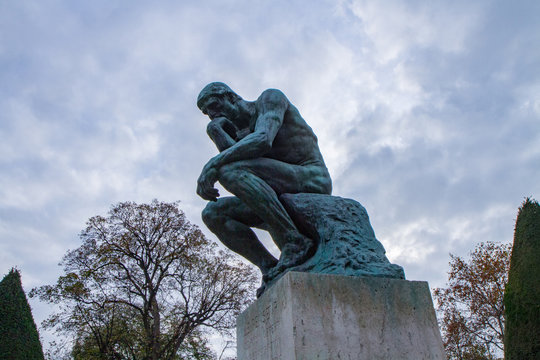
Cycle of Life
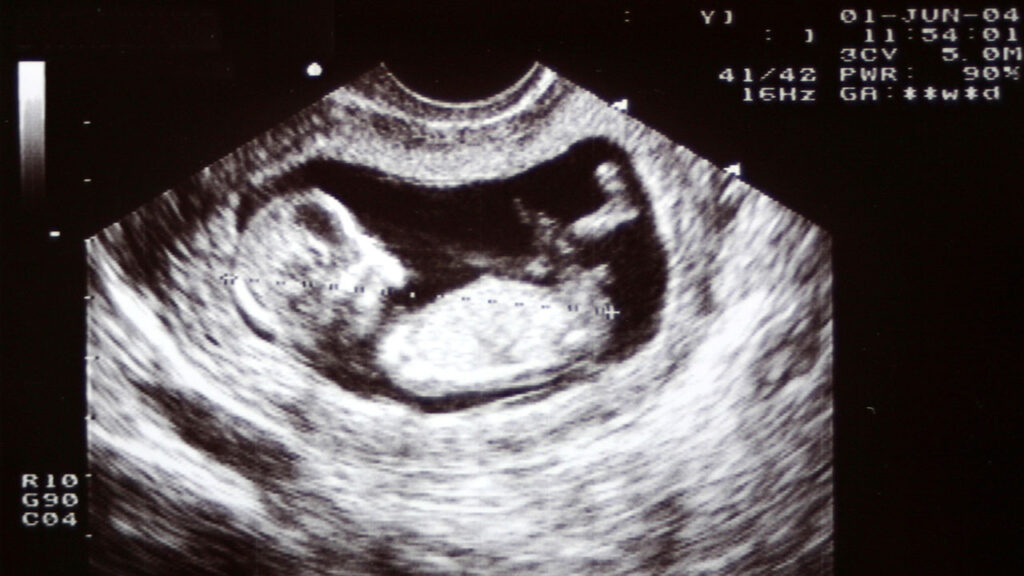
In our lifetime, every one of us will transform from what started as an embryo to a fully matured and seasoned adult.
In this inevitable process, every cell in our body will have been replaced with all kinds of experiences without any traces of memory.
The twenty-six-year-olds won’t remember what their three-year-old self felt during the first day of school. By the time we reach seventy (if we are lucky enough), we faintly remember what life was about when we were in our twenties.

Our personal identity may remain unique throughout our lives.
However unique it may seem, the issue of our personal identity is subject to change. It alters unintentionally as a child and intentionally as an adult.

- How can we say that we are the same person throughout time?
- What guarantees that we haven’t changed?
- Where is our identity located?
What is Personal Identity?
The general assumption is that our body guarantees our identity. We point to something physical and say that it is “me”.
A philosophical question: if only one part of your body were to attain immortality, which one do you choose to be forever?
According to studies, we think that some parts of our body are more “me”-ish. We think that it is our best feature to represent us and differentiate from others.
Some of you might choose shoulders, arms, abdomen, and few even choose your privates.
In relationships, we may have come across this very tough question that our partner tends to put us through, “What do you really like about me?”
—we generally associate this question with the physical identity and mostly say wrong answers like “your muscular broad shoulders” or “your firm breasts and apple bottom”.

In reality, whether in relationships or in friendships, we are generally attracted to people for their spirit, ideas, abilities, humor, character, behavior, and energy.
All of these live our memories, the closest thing of making me “me”.
So almost every one of us will agree to say that our personal identity is located in our brain or heart.
Well, our Heart and Brain know not only the memories but also how we felt during that particular moment in time, which is bigger than our life; we consider it much closer to our personal identity than others.
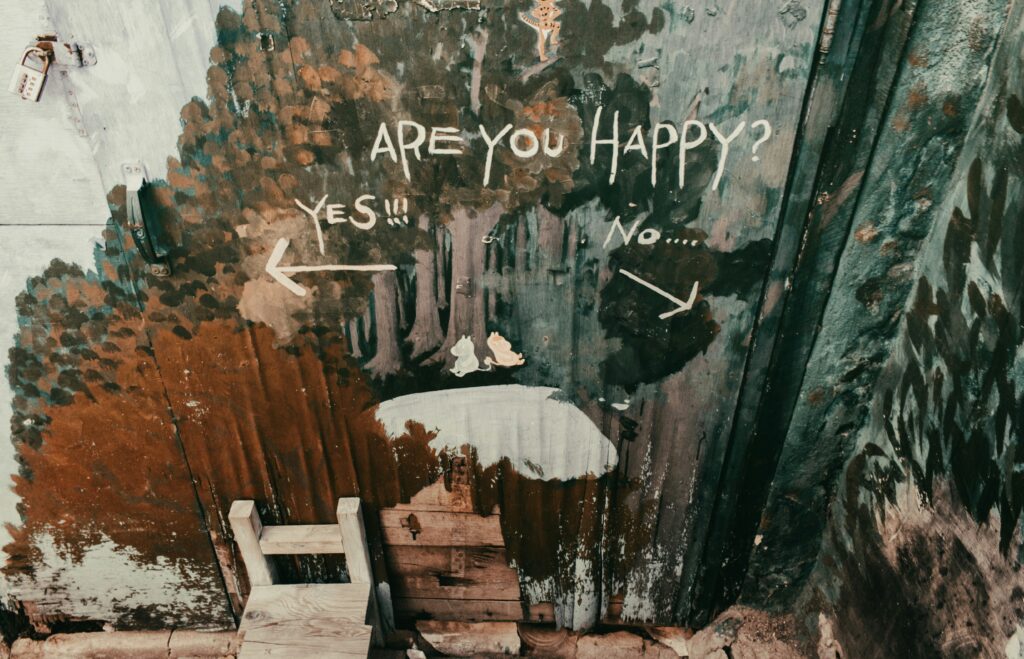
If our memories vanished all of a sudden, would I still be considered as "me"? Maybe
—Your feelings remains the same; it knows your virtues, loves, and hates.
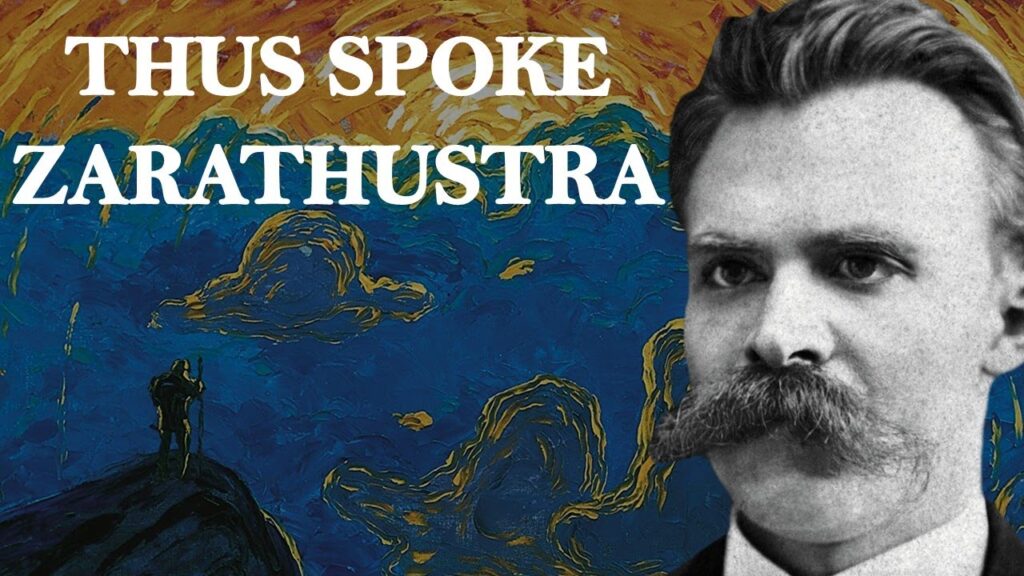
“My brother, when you have a virtue, and it is your own virtue, you have it in common with no one.” — Friedrich Nietzsche, “Thus Spoke Zarathustra (1883-1885)”.
Transcendence to Immanence
After our death, there is a belief in an afterlife in almost every religion—once the physical body gives out, our soul carries the impressions of our past life.
The collection of every good and bad experiences, feelings, and moments that shaped our materialistic world will move on to the other realms before being reborn or possibly attain the state of liberation.
There is no single provable answer for this concept to be considered as true.
If that is to be true and if we are to start all over again—we will ‘become who we are’. Our moral values, our likes, and dislikes will guide us to be “us”.
On questioning one’s very own self has a certain effect on making us less attached, pushes us towards solitary states, making us more confident that who we are will live on forever, long after our physical bodies turn to dust.
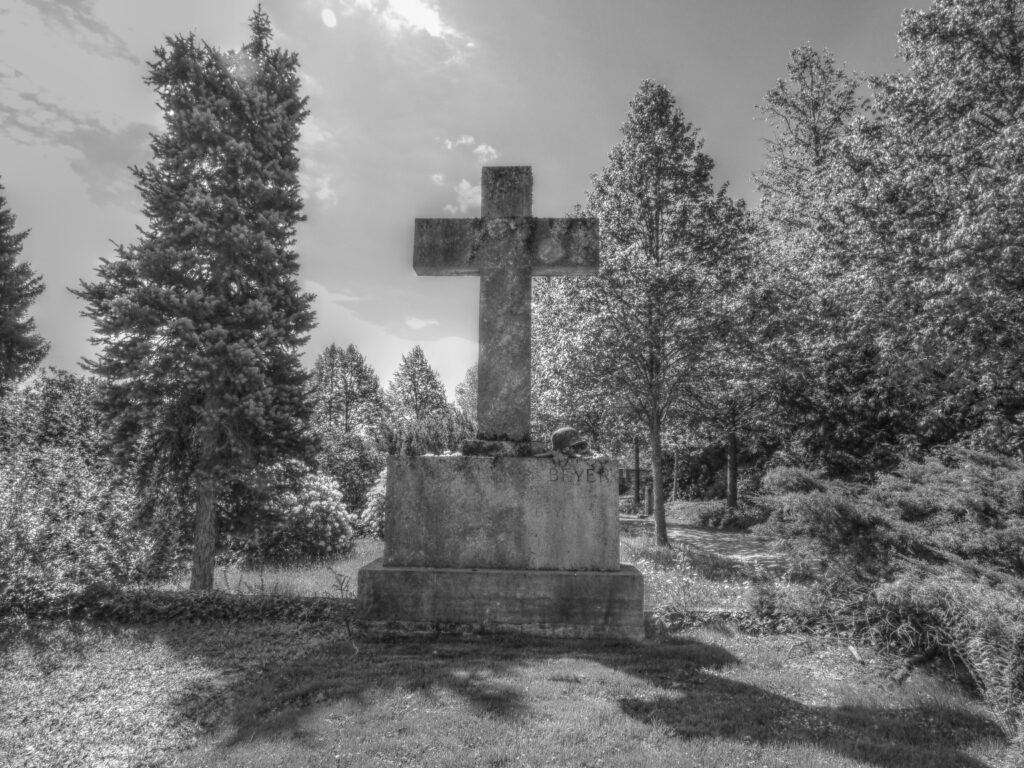
Perhaps solitude is the only place where this question feels honest. In quiet moments, identity reveals itself in ways noise never allows.
At the bottom of us, really ‘deep down’, there is, of course, something unteachable, some granite of spiritual fatum [personal fate or destiny], of predetermined decision in answer to predetermined selected questions. Whenever a cardinal problem is at stake, there speaks an unchangeable ‘this is I’ — Friedrich Nietzsche, “Beyond Good and Evil (1886)”.
So who am I? I am everything that I am not.