
This is a continuation to my previous post “Who am I?” if you have the time to read it, here’s the link: https://solivagant.in/whoami/
Just wanted to start this post with a famous poem “So you wanna be a writer”, written by one of my favorite writer Charles Bukowski.
Video courtesy – a kid with the camera
The Art of Writing —Triggered by a universal feeling:
One late night, after a November day somewhere past 2 AM, I found myself wide awake staring at the ceiling with a heaviness that I couldn’t name.
I couldn’t call anyone—not at that hour, so I turned to music.
Music has always been my refuge, but somehow felt strangely hollow that night.
With no intention or a plan, I opened Notes on my phone—with this quiet urge to let something out of my heart.
And then the words came flooding in—I wrote everything I felt, everything I feared, everything I had never learned to say out loud.
I continued and stayed awake long enough to hear the sounds of birds through the windows and see the dawn of the day; my eyes were dry as a desert, and I badly wanted to sleep through the day now that I had the release.
When I read it back, it felt like discovering a secret version of myself.
A voice I didn’t know I had, a voice that spoke only when the world went quiet.

Looking back, I realize it started even earlier—through heartbreaks I couldn’t articulate, through silences I didn’t know how to fill, through letters and notes I wrote when speaking felt too heavy. Writing was the one place where I didn’t have to pretend.
Art does not need an audience to be meaningful; It was never about being read. It was about being real.
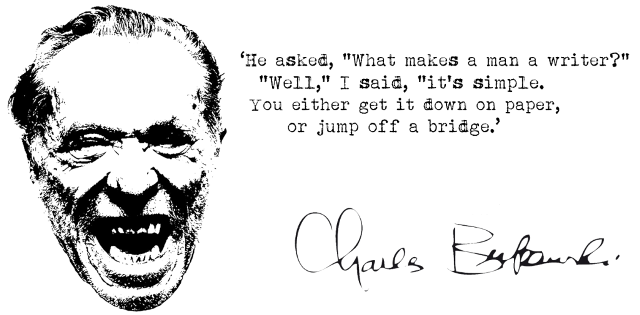
And that’s why Bukowski’s words struck me the first time I read them—his insistence that writing should not be forced, that it should come from an inner necessity, a burning that refuses to stay contained.
That night, I understood what he meant when the words came uninvited, like breath or heartbeat.
But if writing began privately, the question remained:
Why start a blog when everybody wants instant gratification?
We are at the end of 2025, and the world sped up somewhere along the way.
Everything around us demands immediacy; even a few seconds of buffering feels like an inconvenience.

I still remember searching on Google for information; even for a single topic, we would go on to surf the entire related blog posts.
But the dynamics have shifted now to AI. One single prompt, and we get the entire information in front of you—very convenient, right?
Well, it always comes with something in return to sacrifice…doesn’t it?
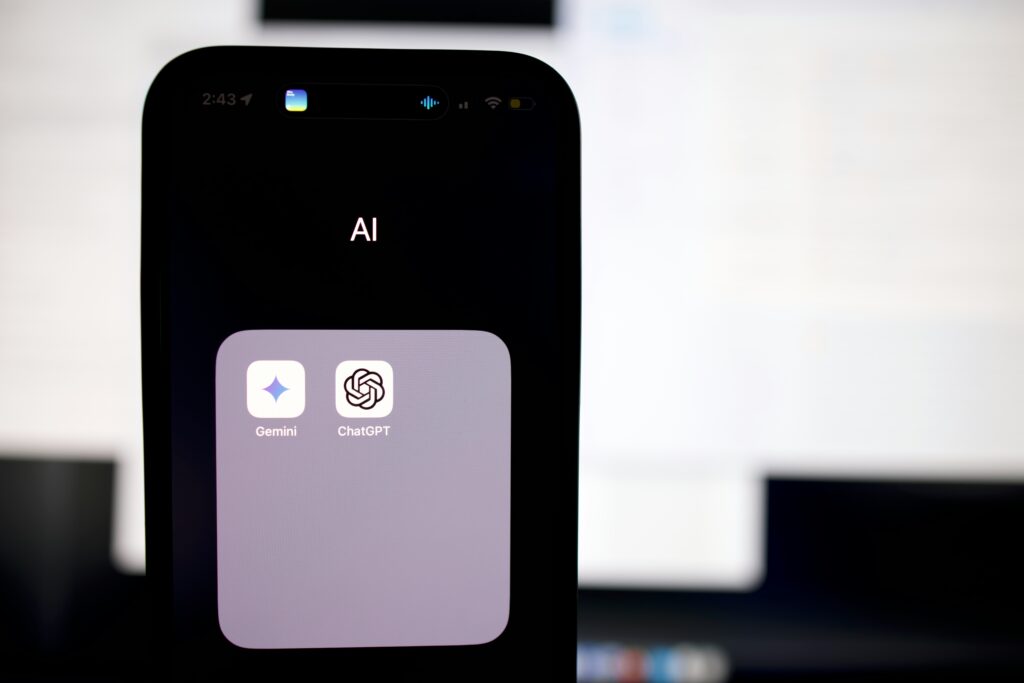
The “realisation moment”
There were days when I caught myself scrolling endlessly, not because I cared about what I was seeing, but because I didn’t know how to sit quietly with myself anymore. The silence felt heavy, so I filled it with noise.
Instant gratification is sweet, yes. But only for a moment.
Like sugar for the mind—energy without nourishment.

We scroll to distract ourselves, scroll to forget ourselves, scroll because silence feels like a stranger we are not ready to meet.
Even we are afraid to socialize with people in general; we are accustomed to isolating ourselves in public places and at social events, rather than listening to our own thoughts and feeling the moment in silence.
Everything is optimized for speed—quick content, quick reactions, quick satisfaction.

On the other hand, writing can be its own reward; it refuses to be rushed. It asks you to sit with yourself. To notice, observe, and sense the things with calm and unhurried devotion to the craft. Writing can be its own reward.
Starting a blog in 2026 feels almost rebellious because I refuse to compress myself into short forms, and I refuse to keep everything fast and digestible.
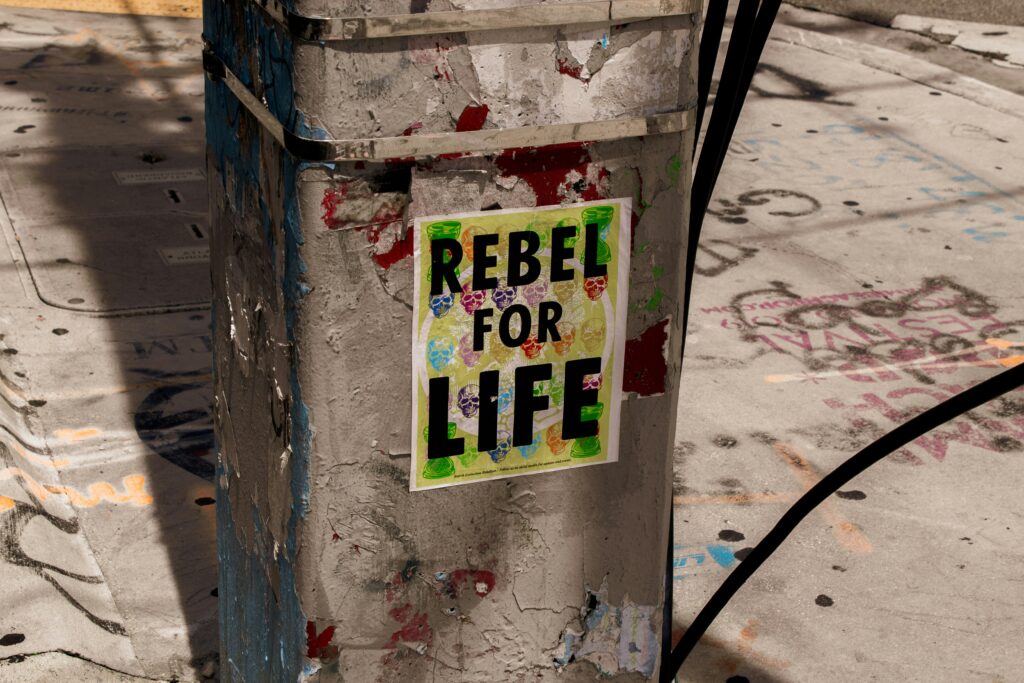
I’m starting this blog not because the world needs more content—but because I need a place where words can breathe. A place untouched by the noise and pressure of instant gratification. A place to think slowly, feel deeply, and just exist.
Am I writing for myself or for others?
There are three kinds of creators, I’ve come to realise:
- Those who create for an audience,
- Those who create for themselves,
- And those who exist somewhere in the quiet space between the two.
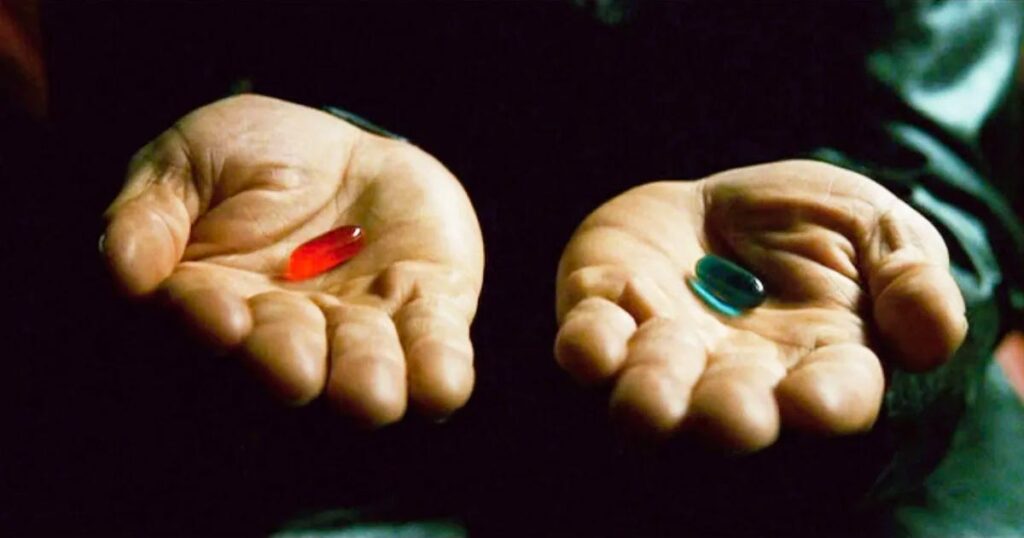
I began writing because it felt like a calling—something within me that was asking to be understood.
In the beginning, every word was for me alone.
And then came a question so unsettling, it felt like someone had whispered it into my ear in the dark;
“If there was a nuclear breakout tomorrow and the next day, if I am the only person left, would I still write?”
The question is not about who we create for; the question is whether creation even matters without someone to receive it.
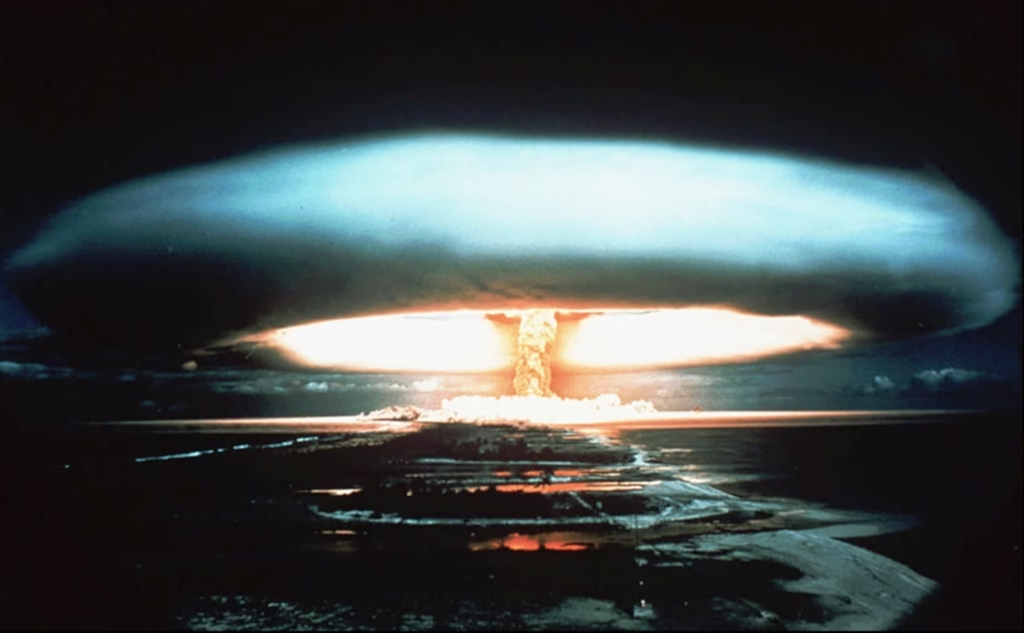
This question struck me with the feeling that I wanted to see if anyone else had ever felt this way before.
That’s when I found inspiration from these two movies—Paterson (2016) and Dead Poets Society (1989).
In the movie Paterson:
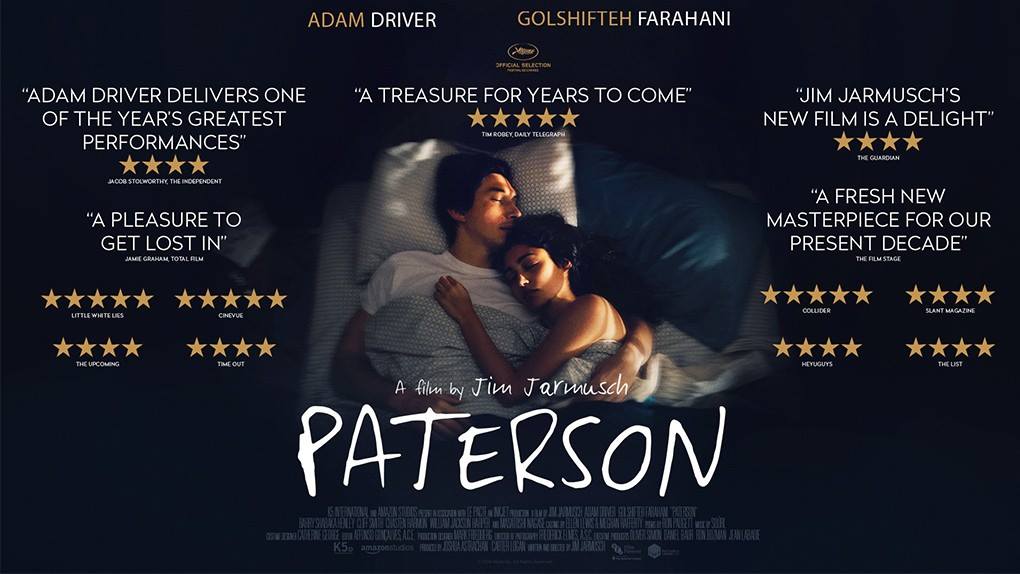
Paterson wakes up, drives his bus, listens to conversations, notices tiny details, and writes quietly on breaks.
He never shares his work widely. Why? Because for him:
Writing—a way to stay alive, not a way to be admired.
I resonated with him. Saw myself in that quiet persistence.
I learned that even an ordinary life is extraordinary when observed with care.
Perhaps the answer isn’t who I write for,
but who I become each time I do.
In the movie Dead Poets Society:
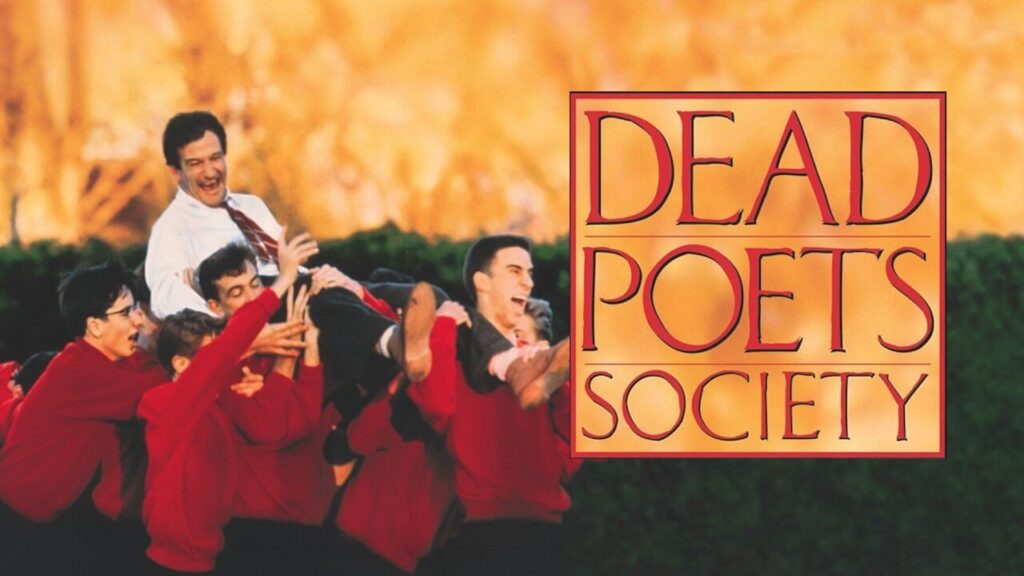
I believe that Dead Poets Society not only resonates with me but with almost everybody on this earth, because it speaks to a part of our inner life we rarely express openly — the quiet longing to live truthfully, creatively, and without apology.
The boys in the film live under the weight of what they should be: Obedient, practical, predictable.
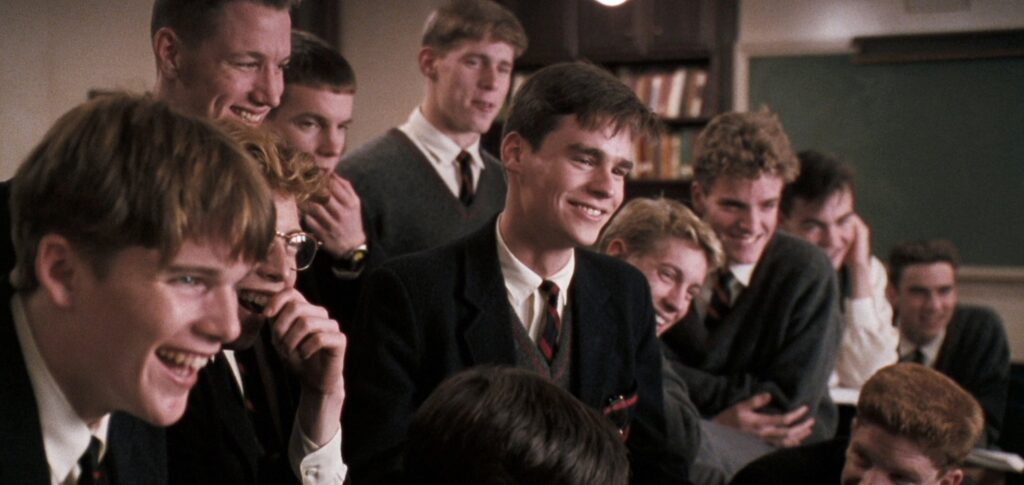
Much like them, we have carried expectations like:
- Who you should become
- What paths are “safer”
- What parts of yourself should you hide
- When you should remain quiet instead of being expressive
That pressure creates a gap between who we are and who we present to the world.
One of the boys, Neil Perry embodies the creative spirit that refuses to be silenced; Neil’s story serves as a poignant reminder that when creativity is suppressed, the soul struggles to find its voice.
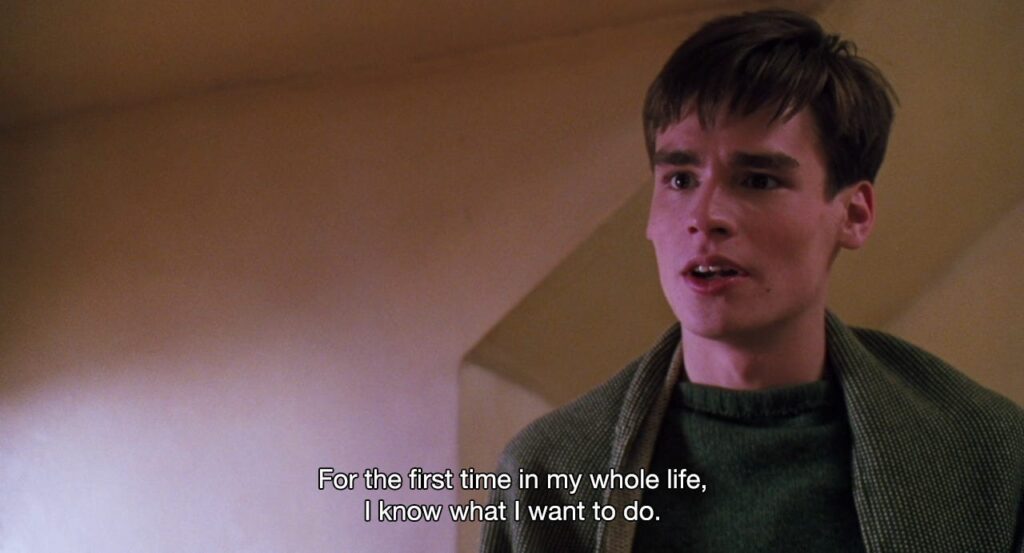
In the movie, Mr. Keating doesn’t tell the boys what to think.
He tells them: “Think for yourselves.” and “Find your own voice.”
Keating’s philosophy is that “Your voice matters — even if the world isn’t listening.”
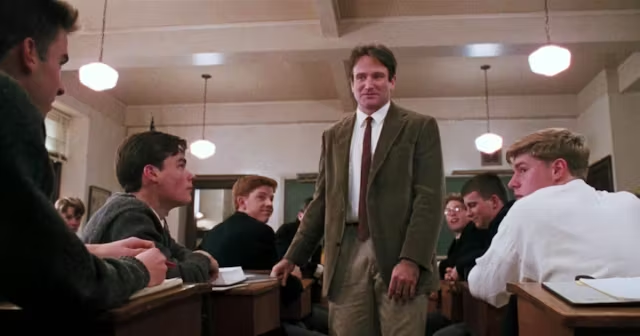
The boys learn that a life lived without passion, curiosity, and expression is only half-lived.
And this echoes my own internal question:
This film answers softly: Yes
If no one read what I wrote… would I still write?
Because some things are worth doing simply because they make you feel alive.

The infamous line:
“That the powerful play goes on, and you may contribute a verse.”
I found my verse in Solivagant. I write so that my “verse” exists, even if only a few ever hear it.
Maybe the words I write aren’t looking for readers—
Maybe they’re looking for me.
So my question to you is:
What will your verse be?
